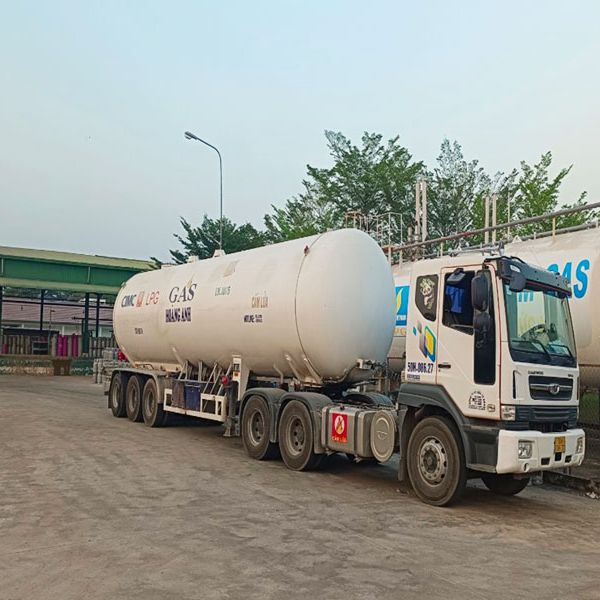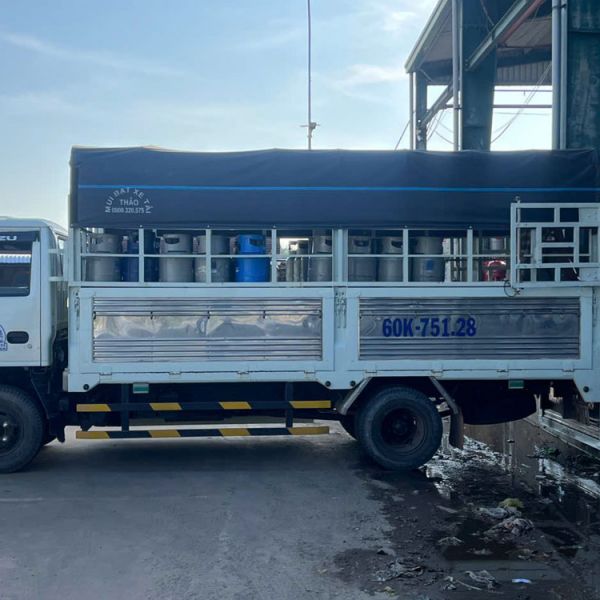






With the increasing use of liquefied petroleum gas LPG and natural gas in industry, commerce, and transportation, the maintenance and repair of LPG, CNG, and LNG systems is extremely important. This not only ensures safe operation but also contributes to extending equipment lifespan, optimizing efficiency, and complying with stringent technical and environmental regulations.
Overview of LPG, CNG, and LNG Gas Systems
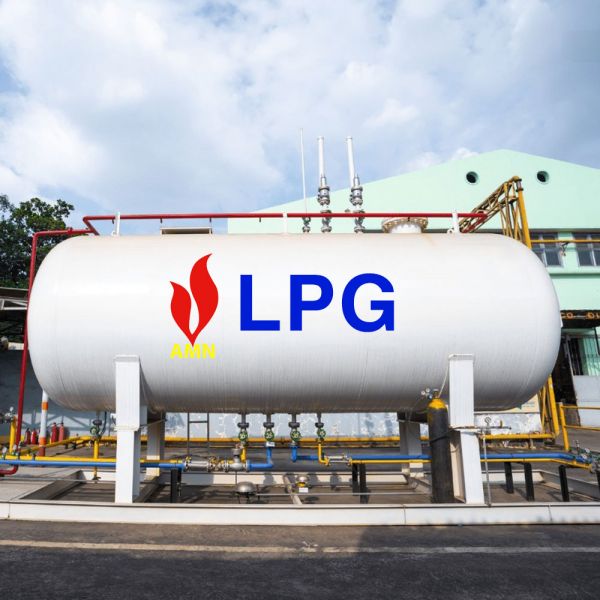
LPG (Liquefied Petroleum Gas): Liquefied petroleum gas, commonly used in factories, industrial areas, restaurants, and residential settings.
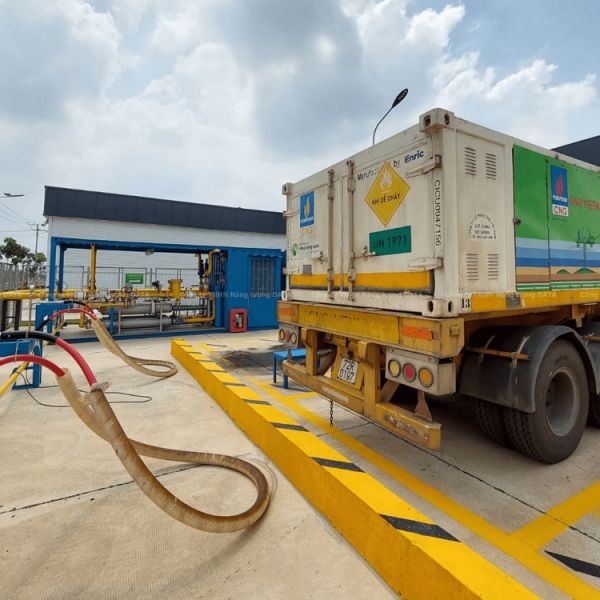
CNG (Compressed Natural Gas): Compressed natural gas, often used in transportation and some production lines.
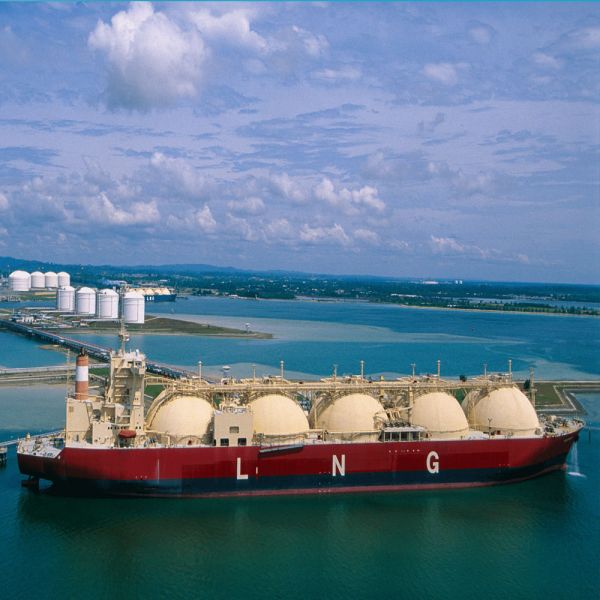
LNG (Liquefied Natural Gas): Liquefied natural gas at very low temperatures, used in large industrial projects, power plants, and energy logistics.
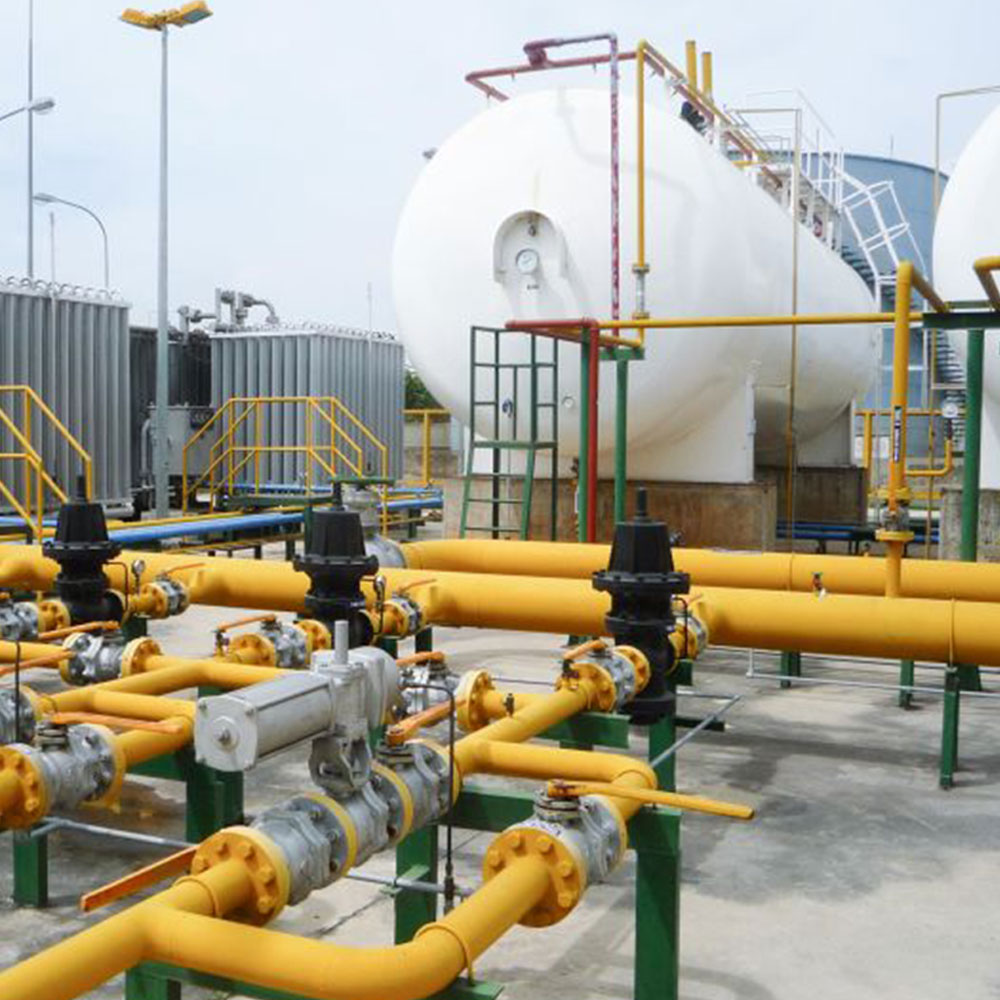
Each system includes storage tanks, pipelines, pressure regulators, safety equipment, a gas supply station, and a control system, requiring specialized maintenance and repair procedures.

Why is regular maintenance of gas systems necessary?
Ensuring absolute safety: LPG are all flammable fuels. Regular inspections help detect early:
Gas leaks
Valve and pipeline damage
Degradation of safety equipment functionality
Therefore, minimizing the risk of fire, explosion, and workplace accidents.
Maintaining operational efficiency
A properly maintained system will:
Provide stable pressure
Ensure efficient combustion
Reduce fuel loss
Help businesses save on energy costs.
Compliance with technical and legal standards
Many regulations require gas systems to undergo regular inspections and maintenance to ensure they are fit for operation. Adequate maintenance helps businesses avoid legal risks and production disruptions.

LPG is a liquefied petroleum gas (LPG) widely used in daily life and production. However, LPG is also a highly flammable and explosive gas, therefore, safe maintenance of LPG systems is extremely important.
LPG system safety maintenance services involve periodic inspection and maintenance of LPG systems to detect and address potential fire and explosion hazards. This service includes the following items:
Overall system inspection: Checking equipment, pipelines, shut-off valves, etc., to detect damage and wear.
Gas tightness inspection: Checking connections, shut-off valves, etc., to ensure there are no gas leaks.
Safety level inspection of equipment: Checking safety devices such as safety valves, pressure reducing valves, etc., to ensure efficient operation.
Addressing potential fire and explosion hazards: Repairing and replacing damaged or worn equipment, fixing leaking connections, shut-off valves, etc.
Benefits of Choosing a Professional Maintenance and Repair Service Provider:
Experienced Engineering Team
Standard Procedures, Adhering to Safety Standards
Modern Testing Equipment
Optimal System and Operating Cost Consulting
Minimizing Downtime
Maintenance and repair of LPG gas systems is not only a mandatory technical requirement but also a strategic solution to help businesses operate safely, stably, and sustainably. Investing appropriately in this area is investing in long-term development.