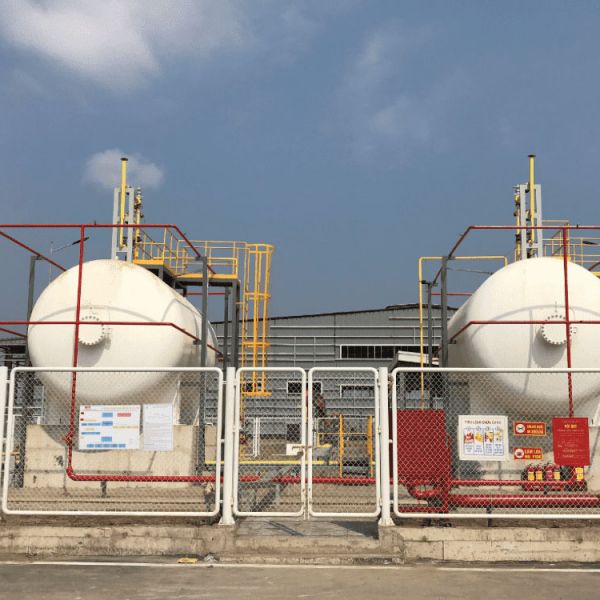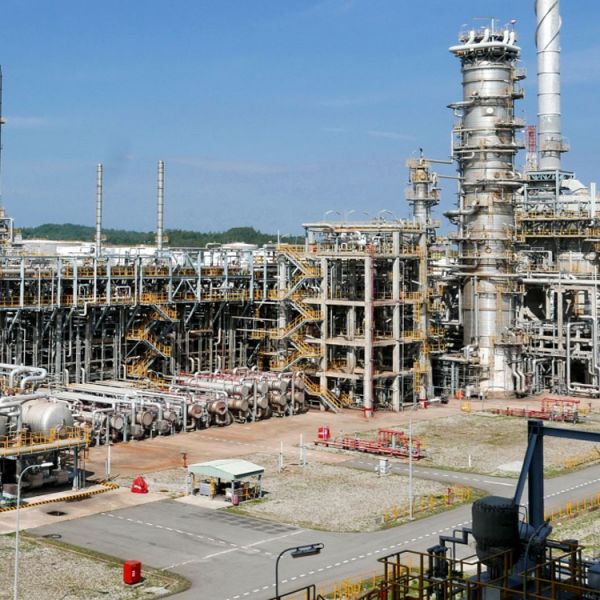








OVERVIEW OF WORLD NATURAL GAS RESERVES
Gas reserves are calculated from the amount of recoverable natural gas in already exploited or exploitable fields according to economic and technical criteria. Therefore, gas reserves fluctuate depending on the availability of technical means suitable for extraction, as well as market prices at the time of exploration.
Currently, the total natural gas reserves in the world are estimated at approximately 150 billion m³. Below are the 5 countries with the largest natural gas reserves in the world.
Russia - Natural gas reserves: estimated 47.798 billion m³
Iran - Natural gas reserves: estimated 33.980 billion m³
Qatar - Natural gas reserves: estimated 23.871 billion m³
Saudi Arabia - Natural gas reserves: estimated 15.910 billion m³
USA - Natural gas reserves: estimated 13.167 billion cubic meters
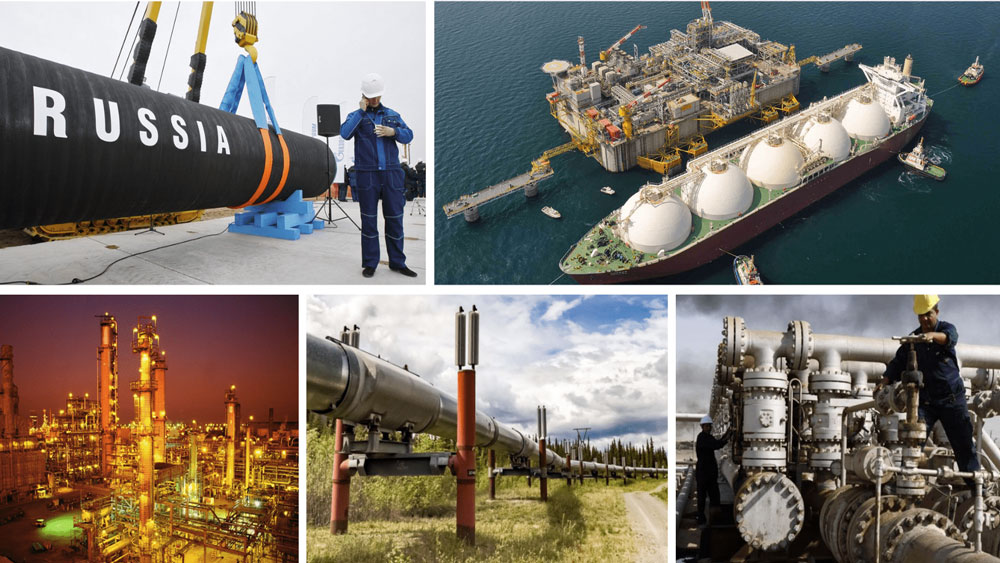
NATURAL GAS RESERVES IN VIETNAM
Vietnam is one of the countries with a geographical location that has significant potential for natural gas reserves. According to the latest information, Vietnam's natural gas reserves are estimated at over 700 billion m³, ranking third in Southeast Asia (after Malaysia and Indonesia).
Since 1990, approximately 370 billion m³ of natural gas has been added, bringing the total gas reserves to 394.7 billion m³. Of this, 324.8 billion m³ of natural gas exists as associated gas in oil fields (Source: Vietnam Drilling Technology Institute).
OPPORTUNITIES AND CHALLENGES OF NATURAL GAS IN VIETNAM
Opportunities: Vietnam is a country with a favorable geographical location for the exploitation and use of gas. Aside from currently exploited fields, there are still many other potential gas fields that are largely unknown. The trend towards green energy is currently prevalent in the energy sector, especially as Vietnam fulfills its commitments under COP 26 (reducing greenhouse gas emissions, increasing the transition to renewable energy, and promoting global climate action). This also presents a good opportunity to promote the overall development and progress of the gas energy sector.
Challenges: Oil fields exploited over the years are showing signs of depletion, requiring the discovery of new sources to meet the country's consumption needs. Furthermore, the oil and gas energy sector is also negatively impacted by complex global developments (conflicts, wars, climate change, etc.).
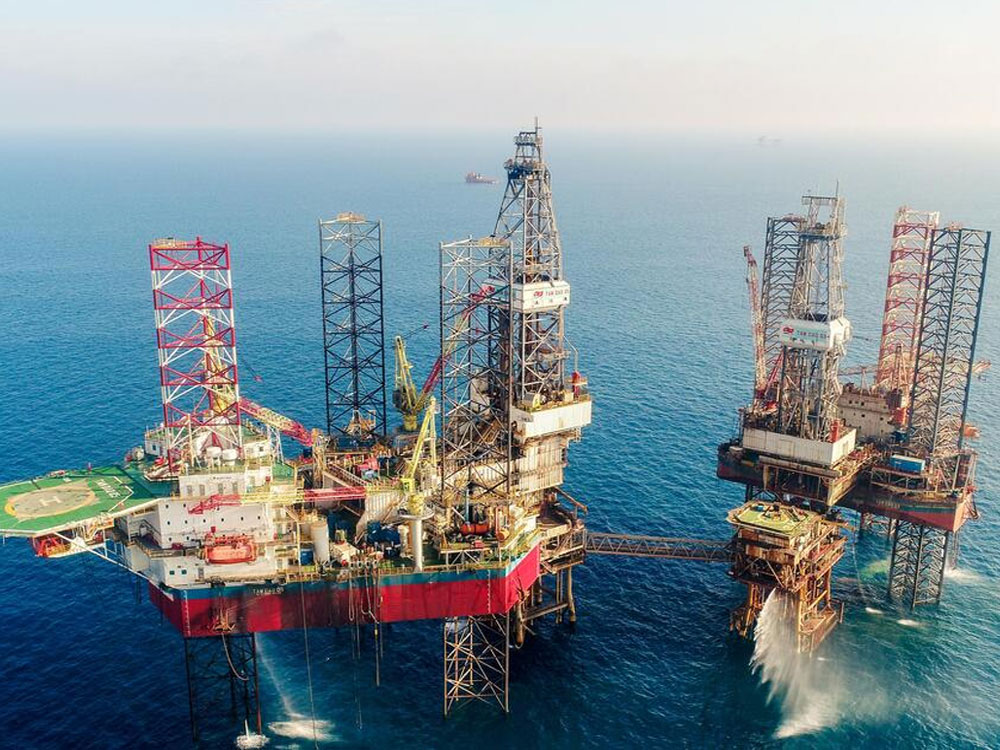
THE ENVIRONMENTAL IMPACT OF NATURAL GAS
From an environmental perspective, natural gas (NG) is a clean fuel, producing less CO2 emissions (approximately 20%–50% less than heavy fuels). According to IEA (International Energy Agency) data, natural gas emits 45% to 55% less greenhouse gas than coal when used for electricity production. The combustion of natural gas produces fewer particulate matter and fine dust, contributing to a reduction in the greenhouse effect. In addition, using natural gas (NG) as fuel can replace traditional fuels such as wood, coal, and some other organic materials, which is a solution to reduce illegal mining and deforestation, contributing to the protection of the Earth's "green lungs".